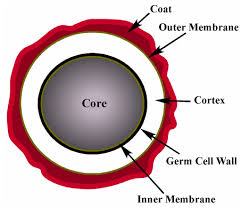
Spore — A form assumed by some bacteria, such as anthrax, that enable the bacterium to survive high temperatures, dryness, and lack of nourishment for long periods of time. Under proper conditions, the spore may revert to the actively multiplying form of the bacteria.
|  |
Cutaneous — Pertaining to the skin | 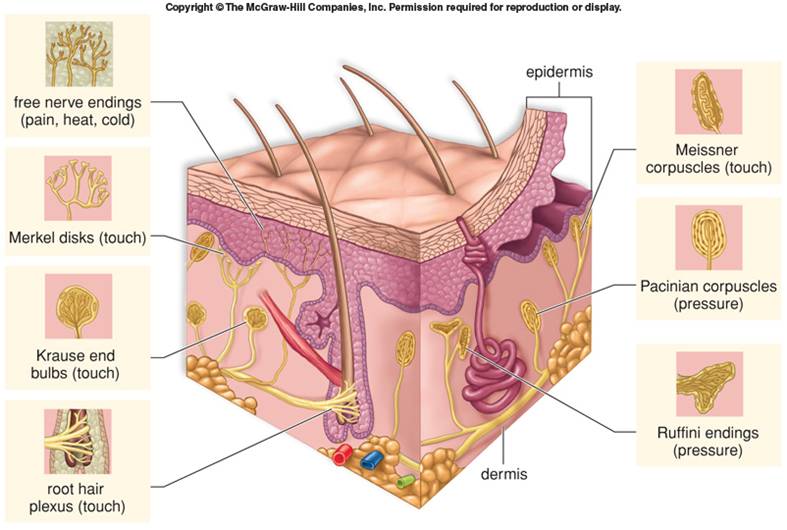 |
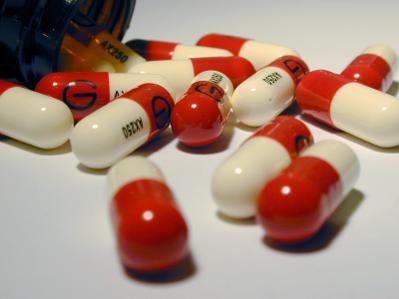
Antibiotics-- Antibiotics work to kill bacteria.
|  |
Toxin -- An antigenic poison or venom of plant or animal origin, esp. one produced by or derived from microorganisms and causing disease when... |
Red blood cells -- Red blood cells are designed to pick up oxygen from the lungs and release it into the tissues of the body. This is their major function. The only reason that they can pick up and carry oxygen around is because they contain a protein within them called hemoglobin | 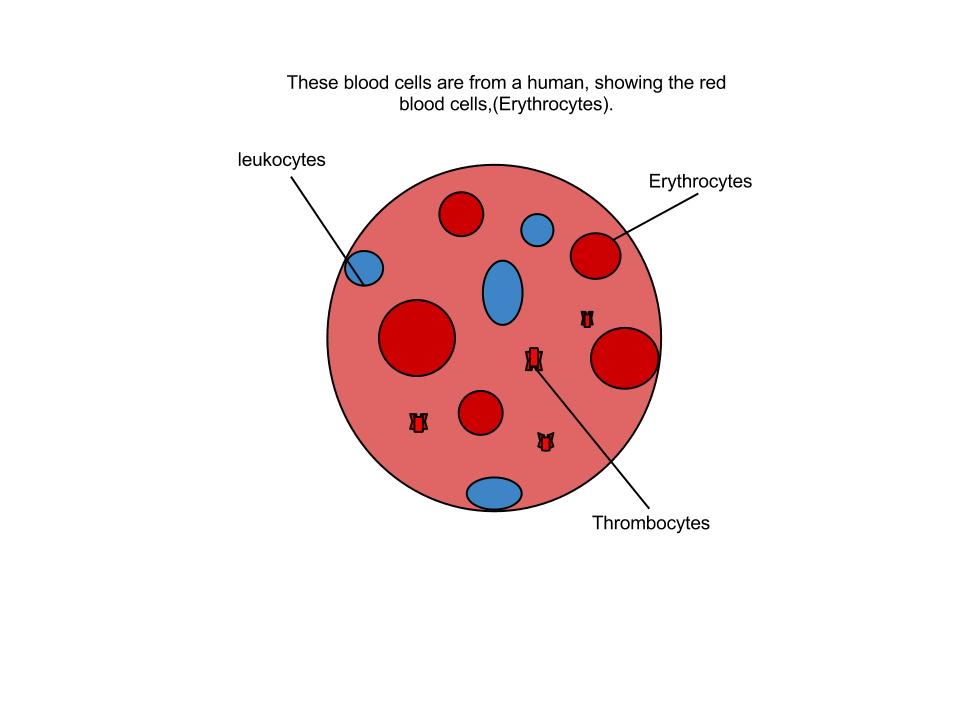 |
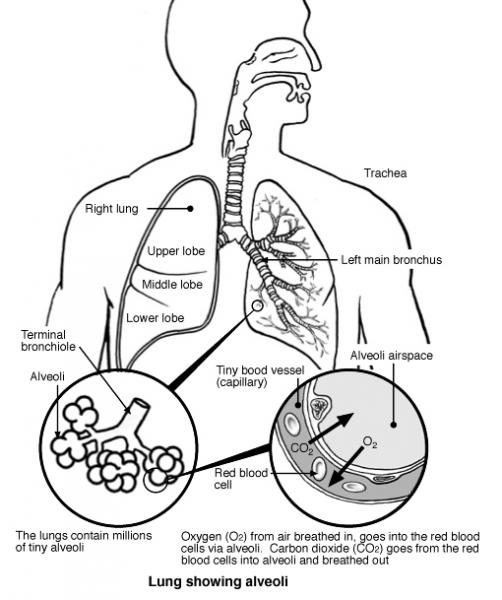
Alveoli -- The alveoli are the final branchings of the respiratory tree and act as the primary gas exchange units of the lung. The gas-blood barrier between the alveolar space and the pulmonary capillaries is extremely thin, allowing for rapid gas exchange. To reach the blood, oxygen must diffuse through the alveolar epithelium, a thin interstitial space, and the capillary endothelium.
|  |
Respiratory system -- the system for taking in oxygen and giving off carbon dioxide; in terrestrial animals this is accomplished by breathing. | 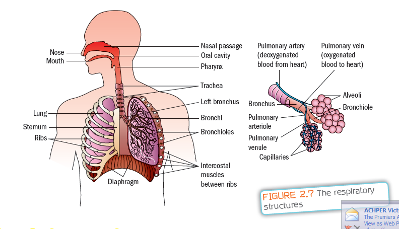 |
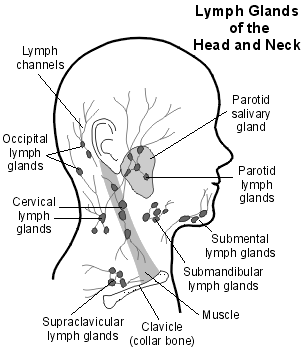
Lymph nodes -- A lymph node or lymph gland is an oval-shaped organ of the immune system, distributed widely throughout the body including the armpit and stomach and linked by lymphatic vessels
|  |
Intestinal tract --
The intestinal tract of humans is comprised of two major divisions: small intestine, large intestine |  |
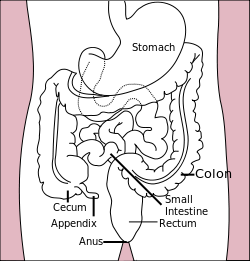
Large intestine - also called the colon, this structure has 6 major divisions: caecum, ascending colon, transverse colon, descending colon, sigmoid colon and rectum. | 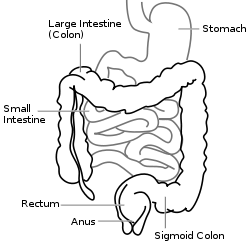 |
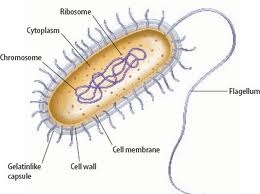
Bacteria --
|  |
